The door to the school

There is a single photograph of me from my first day of school back in 1982. In it my best friend and I embrace eagerly on the front steps of the red-brick school building. Our dresses are simple but bright. It looks like something out of Little House on the Prairie

But a glimpse of that photo brings a stab of agony. I can't remember the day itself, but I remember the sunshine of the summer before, the bike rides and the tree forts. Then I remember nothing

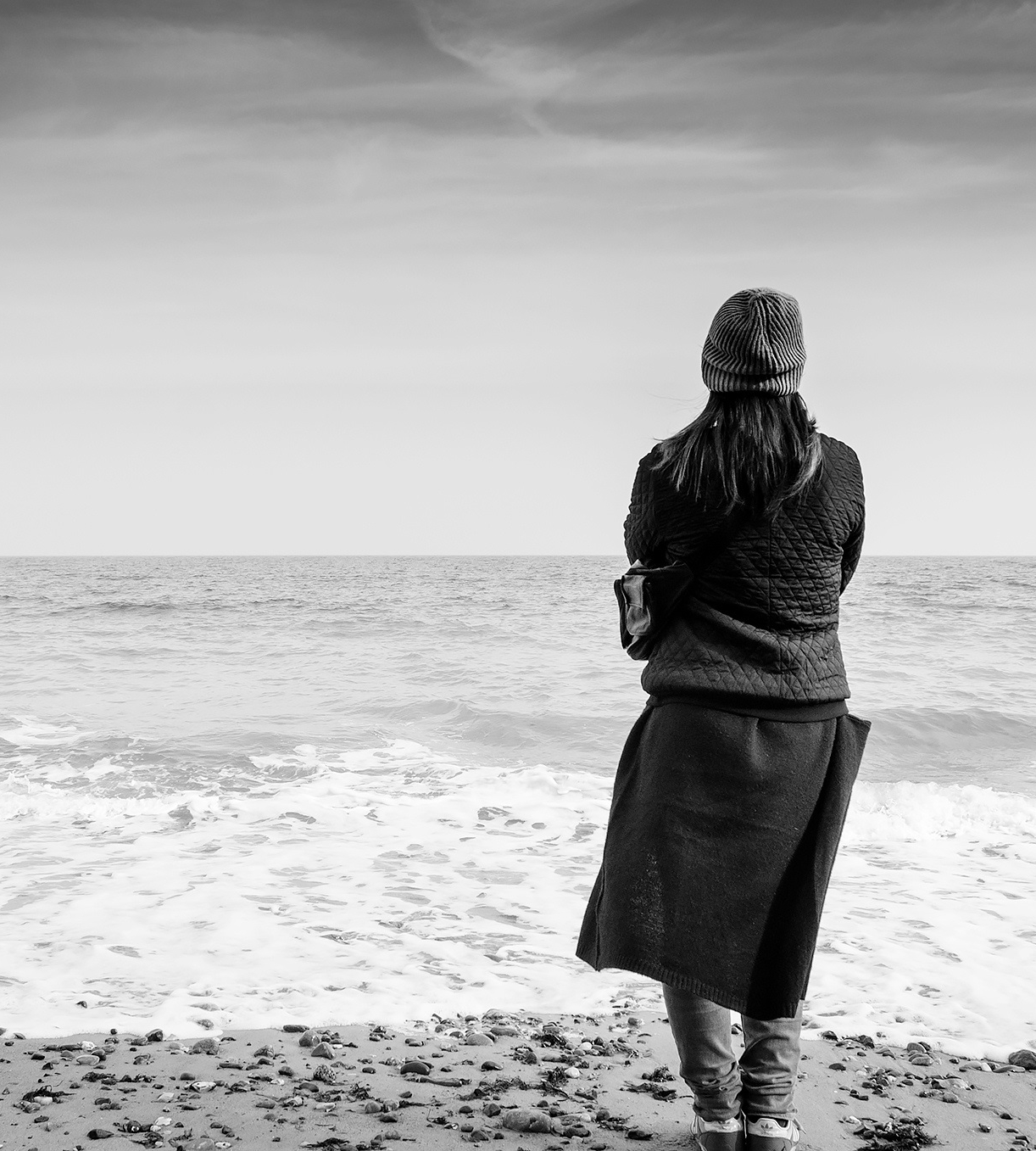
Creative Commons image by Diego Sevilla Ruiz 

Creative Commons image by Diego Sevilla Ruiz 

As if I had fallen and been knocked unconscious for several years.I remember only dizzy snatches, fleeting images, fear, confusion and terrible loneliness. I've written elsewhere about the extreme ostracism and bullying I experienced at school--due to a disability, unconventional family background and a stubborn personality. What I know of those experiences comes mostly from the testimony of witnesses rather than from my own memories, which are muddled but still not without their toll. 

Now I can't help thinking on that photo and the aftermath as I prepare to send my first child to her own first day of school in a few days time. I try to hold back my anxiety. It's natural that I should have my doubts, given what I experienced. Yet, my child does not have a significant physical disability. She is well accepted by other children and generally liked by teachers. She is suspected of having a learning disability, but that will have to come clear in time and most importantly we do not live in an isolated rural backwater where difference is a brand and a reason to be culled from the herd. 

Image by Arie Farnam

Image by Arie Farnam

No, we live in the middle of progressive Europe, where the school's motto is "a place for all." Sure, the school has some problems--very large, overcrowded classrooms, new and inexperienced teachers and a population steeped in racism and anti-foreigner politics. But my fear is surely larger than the hazards.

When I took my child for an evaluation to a specialist in learning disabilities, I was told that she is quite bright and probably only has a minor issue with attention that should pass within a few years. But then the specialist turned to me and suggested in completely innocent tones that I consider enrolling my child in the "Special School"  in a larger town, rather than in our local school.

Little did the specialist know how well I know the Special Schools. When I first came to the Czech Republic as a rookie journalist twenty years ago, a harried editor slapped a thick folder of documents down on my desk and grumbled that someone would have to deal with it and it might as well be me. I picked up the packet that night--it turned out to be a government report on Special Schools--and read it.

All the way through. In one night.

That was because of what I found within the first few pages: a staggering admission by the government itself claiming that it was channeling almost all children of Romani (ethnic Gypsy) background into substandard schools designed for children with developmental disabilities. My article on the report was in the forefront of a flood of condemnation and criticism of the Czech government by the foreign press. I later produced a documentary about Romani children fighting for a rare chance to leave the segregated, substandard schools and gain a place at regular elementary schools. 

Documentary film 2000 - Czech Republic The stories of nine-year-old Karel and fifteen-year-olds Anezka and Pepino as they fight to escape from the segregated special schools

I spent years going into these Special Schools, watching with rage stifled into a hard lump in my throat as bright children were forced to study table manners and preschool motor skills in sixth through eighth grades--merely based on the color of their skin. I interviewed officials with a straight face and printed their self-damning words in foreign newspapers, quoted by Amnesty International and the European Commission in their judgments against the Czech state. I was a foot soldier in the wave of largely foreign pressure that finally broke the wall and forced through anti-discrimination legislation.

And eight years after the European Court of Human Rights ordered the Czech state to end such discrimination, a specialist suggested my adopted, Romani, slightly brown-skinned child be placed in a school for those with developmental delays, just after she assured me the child had no such delay. 

And now, I try to tell myself my fear is only paranoia based on my own hard childhood on the front-lines of another battle for integration on the other side of the world. I was a foot soldier of another kind then and I took many wounds--wounds I'd rather my child could escape. 

Just as I experienced as a child, legally mandated integration does not necessarily mean willing and welcoming integration. The first to integrate public schools in the United States--whether they were African Americans in the 1950s or disabled Americans in the 1980s--often paid a heavy price. Today the Czech Special Schools continue under slightly different names and most Romani children are still segregated in them. But the law says I--as the parent of a Romani child--can defy the social norms and send my child to a regular elementary school.

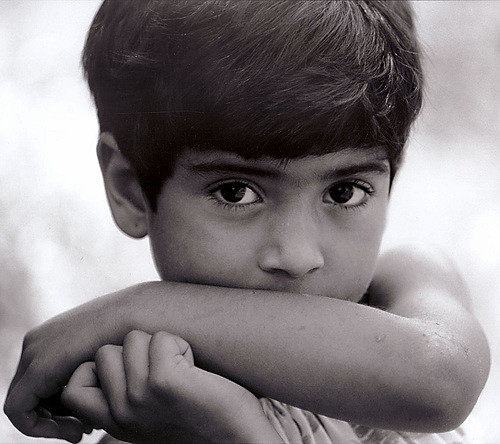
Image from the film Walls by Arie Farnam

Image from the film Walls by Arie Farnam

If I dare.

We attended a Romani culture camp and support group for a week this summer. During the adults-only part of the program in the evenings, we were told in no uncertain terms that we must admit the harsh realities to our children. Both psychologists and a very credible Romani man who rose from a ghetto kid to be the first Romani city council representative in his heavily divided city told us we must tell our children.

They are proud to be Romani. They sing Romani songs and know the Romani flag. Last spring my daughter proudly told her kindergarten class that she is Romani. They smiled. They don't know the word "Romani."  They only know the insult " Gypsy" and my daughter doesn't know it because we don't speak such words in our home any more than I'd use the N-word. 

Once my children came home talking about how some people called Gyps steal and saying they heard it at preschool. I gently explained to them about prejudice and poverty and social exclusion. But they clearly did not understand. I stopped short of saying, "They mean you. Don't you get it? They mean you."

I wanted to spare them the trauma. I wanted them to be proud of their roots... for just a little bit longer. The harsh words and judgments will come soon enough. I tried to get my kids to homeschool but my daughter refused. She thinks only about being with her friends all day.

And now the door is before us. Looming in my mind, hard red brick.  I know that behind that door bad things will happen. Maybe some good things too. But there will be pain.

Creative Commons image by Michael Davis-Burchat 

Creative Commons image by Michael Davis-Burchat 

So, I sit down with my little girl and tell her. I tell her that Gypsy means Romani. I tell her some people have a sickness in their minds that makes them believe lies about people who are a different color. I tell her about the school segregation. We've read about the segregation of schools in America. She has two great story books about Ruby Bridges and can quote the tale. I explain that when I first came to this country, that was the way it was here, that Romani people--like Black people in America--went through slavery and prejudice and school segregation in substandard schools. 

She turns to me, her face still unconcerned, and reaches a hand up to my hair, turning gray. "But, Mama,,that was a long, long time ago," she says.

Oh, my child. No, it was not.

The primary anti-discrimination law has just passed and it goes into effect September 1, 2016. That law mandates integration for children of all backgrounds and abilities. Because of that law, my daughter can have an Individual Educational Plan (IEP) if she does turn out to have a learning disability. And she cannot be barred from our local primary school based on ethnic background. But even five years ago, segregation was almost universal and today it is still widespread, due to the lack of legal knowledge and advocacy skills among Romani parents. 

My child, you will be the first Romani child to attend your school, much as I was the first child with a significant physical disability to attend mine. 

But I smile and give her a hug. "You will do fine," I say. "You are smart and you have many friends. Only remember that if someone says otherwise, it is against the law. The law is about them and the problems in their heads, not about you. You will do fine." 

We must both believe it.
Overwhelmed? There's one choice we always end up making

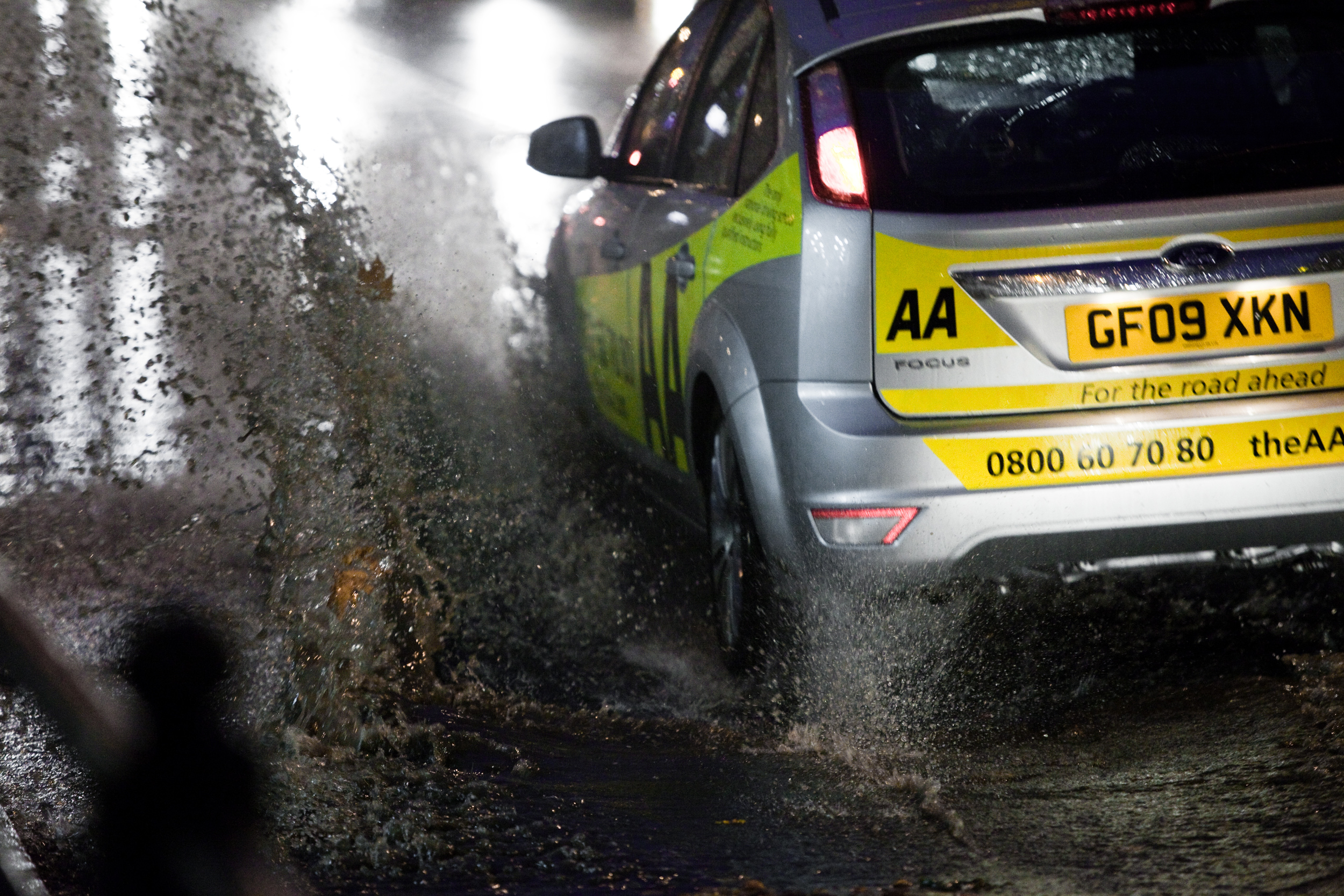
I walk my kids to preschool in the pouring rain. It’s about a mile and a half and it wouldn’t be so bad except the main road through town and the buildings on either side of it are a couple of hundred years old. This means that massive regional traffic is now being squeezed through a single-lane road that was originally meant for nothing more than the occasional farmer’s handcart. To get around this bottleneck my kids and I would have to walk an extra couple of miles.

A deluge of mud and water sprays across a narrow sidewalk from the wheels of a passing bus. Creative Commons image by Matt Biddulp.

A deluge of mud and water sprays across a narrow sidewalk from the wheels of a passing bus. Creative Commons image by Matt Biddulp.

The sidewalks are often no wider than a sheet of printer paper (and sometimes they’re entirely non-existent). Add in overloaded drainage systems and the fact that most of the inhabitants of the hilly country around our town drive large vehicles and live lifestyles in which walking is considered eccentric (and voluntary).

All told, it isn’t very pleasant to get to the preschool or to the medical center on the other side of town. 

An endless stream of cars roars by, pushing and then exceeding the speed limit even though there isn’t much space between them. Each one in turn sends a wave of dirty, oily water spraying across my legs and across the torsos of the children. Each driver would have to look in their rear view mirror to see the spray of water they have personally hit us with. But they can all see the car in front of them squirting the sludge on us.

If they looked... if they thought at all, they would know that their car is going to do it too. They don't think or they don't care. Hard to say which.

We come to a tiny cramped parking lot for three vehicles in front of a shop. I go in front, keeping my children behind me as I carefully make my way around their bumpers, just inches from the zipping, roaring traffic. Sure enough one of the parked cars jolts into motion without warning just as I step behind it. The driver was probably trying to get into a tiny break in the traffic on the main road. He slams on his brakes and I jump backward but his bumper still comes in contact with my leg. I make my way toward the front of his car, to get around in the gap he has now left there. (Yes, he turns out to be a man.) We exchange angry words.

“People shouldn’t walk out in this. It’s ridiculous!” He looks frazzled and he is obviously not thinking about the fact that I’m carrying a white cane. If I want to get to work, get to a doctor or get my kids to school, I have to walk. 

We continue down the tiny sidewalk--walking the gauntlet of deafening noise, noxious fumes and greasy spray—with the very real possibility of sudden death only inches away.
I’m juggling a white cane and an umbrella against the pouring rain, but my small daughter takes my hand anyway and when the sidewalk broadens enough that we can walk side by side, she asks, “Mama, why are people so mean?”

A woman holds an umbrella to try to block a gush of muddy water showering her from a passing car. Creative Commons image by Brett Jordan. 

A woman holds an umbrella to try to block a gush of muddy water showering her from a passing car. Creative Commons image by Brett Jordan. 

I’m already having enough trouble with my emotions and I clench my teeth, unable to answer without saying something hateful that a child shouldn’t hear. 

But right then the car coming toward us on the road slows remarkably. The driver doesn’t slam on the brakes, but simply slows to a more reasonable speed. There is nothing else around except us in the narrow road and the street is open and empty in front of the car. The frustrated drivers in the cars behind the slow one crowd up on the bumper, but that one vehicle goes past us without spraying dirty water. I can only tell it’s silver. I can’t see anyone behind the windshield or even the make of the car. 

But it gives me the chance I need. “They aren’t all mean,” I tell my daughter, while I reach back to make sure my five-year-old son is still right behind us. “Did you see that car slow down?”

“That was a nice one,” my daughter says.

“That’s right. We get to choose if we’re kind or cruel,” I tell my kids.

Your Choice

When a kid grows up with any sort of significant disadvantage, she'll necessarily have some limits on her choices in life. But this is one thing my kids get to choose, even if they don't have all the privileges bestowed by wealth or white skin. One day they will be adults in this hectic, crazy-making world and they'll get to choose to be thoughtful about their actions and words... or not. They'll get to drive and slow down when they see someone trapped between a gutter of water and a wall... or not. They'll get to carefully avoid racially loaded language, ablelist metaphors and national slurs... or not. These are all part of the choice to be mindful of our impact in the world (or not). 

Here is a truth. I actually don’t think all the people rushing by and drenching us want to be cruel. I know how hectic and pressured their lives are—bait-and-switch professional jobs, kids who have to be all-stars in order to even be considered for the college track high schools, rising prices, bills to pay, health troubles of their own. There is virtually no one who doesn’t have to struggle. 

And to have the presence of mind to slow down in order to avoid drenching someone at a narrow spot in the road? It isn’t easy. 

Another thing. White people don't want to be cruel when we accidentally assume the one person at the meeting with brown skin must be the maid or when we let racist rhetoric slide in our professional, social or religious circles and pass it off as "a difference of opinion." Most white people today, if they stop to think, know better. But thinking... taking action in a group like the driver who made sure several other cars slowed down and didn't splash us... takes mindfulness and focus. And it is damned hard to focus with what's going on around us--in life and in the media. 

Presence of mind is key though. It isn’t enough to want to be a benevolent. We must also cut through the chaos and focus enough to see where we may unwittingly do genuine harm. Being mindful of our impact both on other people and on the environment (and thus on future generations) is no small thing. But it is what differentiates kindness from cruelty and often defines self-respect.

A Mindfulness List

Some of us like to make lists and lists can help us to remember, not just to buy bread, but also to remember the things we are aware of sometimes but need to be mindful of all the time. Mindfulness lists might include changing habits of speech that have become offensive in society, doing less harm in our consumption, moving and relating in ways that don't hurt others and so forth and anything else where you've thought "I didn't mean to hurt anyone by doing that but I did."

Here are a few examples of the things I want to remember to be mindful of myself—despite how overwhelmed or frazzled I might be with my many hats and roles in life. This is my personal list--not the most important things in the world. Many things that are important I am already am mindful of. That's why I don't have avoiding racially stereotyped language or recycling on this list. Those were on my list twenty years ago and now I'm constantly mindful of them. Here's my current list:

  • Say hello to and thank people in low-status jobs, such as cleaners and catering staff.
  • Whenever possible buy from companies that pay their employees a living wage no matter what country they work in. 
  • If I want to ask a person of color to speak on their ethnic group, make sure I've asked them to speak on an area of professional, academic or other expertise unrelated to their ethnic group in the past.
  • If I'm around when someone makes a dismissive or belittling comment about a disadvantaged group or uses derogatory language (even if they don’t mean anything by it), I  want to be someone who speaks up. Educate gently at first, then firmly if necessary. 
  • Speak to children, foreigners and people with developmental disabilities in a normal voice. Take a smidgen of extra time to make sure you’ve understood them. 
  • When attending a racially diverse meeting, make sure someone of a background different from my own has been heard from before speaking up for a second time. 
  • Notice when I accidentally judge and jump to conclusions about another. Stop and reconsider. Weigh the known facts and toss out assumptions and statistical probabilities, when it comes to another person.
  • Don’t swat honey bees or bumble bees, use a rag to swipe them back outdoors. (I know that one sounds trivial by comparison but in the scheme of things, who knows. It's my current environmental awareness goal and it's hard because of my vision impairment and moderate bee allergies.)

What's on your mindfulness list?

We won’t be perfect. Life can be crazy and we're often trying to do things more long-range than these as well. These are just acts of mindfulness, not anything that will change the world. We also want to do serious work for positive change. 

Maybe that is the most important thing I wish to remember. 

  • Expect that everyone you meet is probably pretty frazzled and usually for reasons beyond their control. Cut people some slack.

Keep trying to be the sort of person you respect.

Being too different: Do some people just ask for it?

“You had to know it would be this way,” my friend says on the sunny veranda over glasses of refreshing elder flower lemonade. “You chose this.” 

Our two boys leap and roll on the trampoline. “Mama, watch me! Watch me!” They’re both five. 

Creative Commons image by Mizrak of Flickr.com

Creative Commons image by Mizrak of Flickr.com

I am silent. I don’t want to argue with her. She means well and she is one of the few people in this small town who will do playdates with me and my kids. I can’t afford to say what I’m thinking. 

She means that when we adopted two Romani (Gypsy) kids and settled down in a small town in an Eastern European country, we must have known what we were getting into—that we must have chosen to do so because we were kind of picking a fight with society or... something.

The Roma are extremely unpopular here and the wildcat is out of the bag. A few mothers at my kids’ preschool are making a stink, saying my son should be committed for psychological treatment because he pushed another boy. 

But the thing is that it was an absolutely normal preschool altercation. No one can point out a pattern of problematic behavior--not the teachers, not the other parents and not my family. No, of course, he shouldn’t push and all little boys get in trouble for it sometimes. But my son can’t afford to make a normal childhood mistake. 

“You can’t expect people to change. It was your choice,” my friend says into the silence. 

“I didn’t set out to do it,” I finally answer. But the kids come running for pie and juice and I never get to explain. 

How can I explain anyway? What kind of choice? 

There were six years of infertility treatments. Four rounds of IVF. At least a dozen IUIs. A traumatic miscarriage. There was the reality of adoption in Europe today. The mothers who sobbed beside me in support group because they were thirty-five and had almost no chance of getting to the top of the waiting list for a baby before the age of forty, when the state system cuts women off from infant adoption. 

Uncomfortable fact 1: There is a shortage of healthy white babies needing adoption.

Uncomfortable fact 2: Systemic racism and discrimination makes families in marginalized groups more likely to crumble. 

Uncomfortable fact 3: There are a lot more Romani babies needing adoption than white babies. Widespread racism has it’s consequences. 

Creative Commons image by Monica Semergiu

Creative Commons image by Monica Semergiu

Yes, I stood in the social work office and checked the box that says, “We’ll accept all ethnicities,” despite dire warnings by our case work That is the choice my friend means. 

I chose this.

My friend doesn’t even know about the African American friend who recently unfriended me when she found out my kids are trans-racially adopted. In America, it is often considered immoral—a stealing of a child’s culture because of an adult's selfish desire for a family. They call it “cultural genocide.” 

Yes, I ticked the box. I chose. 

But what was the alternative? 

I think back to the little boy in the sterile orphanage with toys displayed on high shelves on the walls. When they handed him to me the white nurse said with bit of a smirk, “Everyone here has a favorite kid, but he was no one’s favorite. Good luck.”

I noticed immediately that he had a strange low-pitched cry. He was lethargic. They had diagnosed him with “mild neurological delays.” He was ten months old.

It turned out he had been on a high dose of prescription sedatives since he was two months old. Nobody’s favorite and they didn’t want to hear him cry from the desperate loneliness of a baby never held. They didn’t give us any sedatives to wean him off the drugs, so he went off of them cold turkey. We didn’t know until the pediatrician explained it a few weeks later. 

But we knew that baby suddenly learned how to scream. He would scream the sharpest, loudest scream I’ve ever heard a child make every time I got more than ten feet away from him. He now had someone to hold and comfort him and he wasn’t about to let me get out of his sight. I had to stay with him every moment for a year and a half. I couldn’t carry him much. He was too big, even at ten months. It was like having a ball and chain. 

Yes, I chose that. I didn’t have to. I could have resigned myself to my own depression and left him there. It was a choice. 

Now at five years old, the teachers say the only difficulty they have with him is that when they speak sharply to him for some small infraction, he sometimes starts screaming in terror as if his whole world falling apart.

Otherwise he’s on track in all respects. He has good friends who he only fights with moderately--like all the other little boys. He has no neurological delays or other problems. Just about a textbook case for healthy child development. 

But I can’t tell the other mothers that history. I once made the mistake of telling one of the mothers about my daughter’s intense temperament. Now she uses that little tidbit to slander my children, telling other mothers that my kids are psychologically unhinged and genetically degenerate “Gypos.” If they knew about how hard my son’s start was, what more would they say?

My husband mildly chastises me for being open about our differences, for not trying harder to hide the children’s Romani background. I never actually told anyone, but the whole town knows. I didn’t go to great lengths to hide it and I do multicultural education classes as a volunteer at the preschool. My friend says that’s a dead giveaway. 

Supposedly I also chose to be open about difference. For thirty years, I hid the fact that I'm legally blind and didn’t carry a white cane. But the dangers of traffic and the misunderstandings grew unbearable, so now I carry the cane and don’t hide it. But technically it’s still a choice. 

Me and my borthers in the 1980s

Me and my borthers in the 1980s

My friend adds in a whisper before she leaves, “It doesn’t exactly help that you don’t wear makeup or dye your hair.”

Yet another choice. They reject me for the very things I am proud of--my children, the cultural background I embrace, our bilingualism. my environmentally friendly lifestyle, the disability I don't hide...

I chose to be an immigrant, I choose to raise my kids without a lot of junk food, I choose not to have a TV… I’ve chosen a lot of difference. And I like my choices. 

You could make a case that any resulting difficulties are really my fault. That is essentially what my friend is saying--you chose, so you shouldn't complain when people judge you.

But I know something that is strangely hard for most people to admit. For those of us with some unavoidable difference--a disability, a different language, race or culture or some odd life situation--the choice is an illusion. You can try to hide it but when you are different, you are different. You can obtain a rickety and temporary measure of social acceptance by covering up your differences. But you will never be treated entirely well socially and if you slip, you will pay a heavy price. 

I tried to fit in and be the same for thirty years. I tried desperately to learn how to make eye contact and smile as if I could recognize the blurry shapes of people. I tried to dress the way I thought I was supposed to and always failed miserably at the fashions. I detested fashion trends anyway.

I was really very bad at hiding my differences. And I was deeply depressed, almost suicidal at times. 

It was not until I was holding my infant daughter and looking down into her face that it finally clicked. I knew she could never hide her olive skin and non-European-looking blue eyes framed by dark lashes. I had never been able to hide my differences and neither would she. 

Something broke inside me. I don’t remember the exact moment, but I remember the year--that year with my first baby. I swore I would not put that burden on her. I would not doom her to a lifetime of trying and failing to be “normal” at all cost.

My children know their own roots. They know and love the Romani culture and people. They practice Romani dance and Romani vocabulary words. We go to every Romani cultural event we can find. They need close Romani friends, and that is a bit of a challenge, given the vast segregation of society here. But still they are proud of their heritage at this point. 

My seven-year-old daughter told her class she is Romani. I was nervous but the kids don’t know the word “Romani.” They’ve only ever heard the insulting word “Gypo,” so they don’t even know what she’s talking about… yet. 

The thing that I wish I could tell my quiet friend who always stays within the lines is this: I didn’t choose to be different. Neither did my children. But I do choose not to be ashamed. There are many things we don’t get to choose in life, but there is one thing we can always choose. 

I choose to be true.

Walls: A documentary of segregated schools

In 1999 and 2000, I worked with two film students Matthew McLean and Dantia MacDonald to make an independent documentary about the struggle of Romani children for equal education in the Czech Republic. It was one of those hidden stories journalists search for--a significant but largely unknown injustice. At the time, 70 percent of Romani (sometimes called Gypsy) children in the Czech Republic were channeled into special schools for the mentally disabled. Before our documentary only a handful of articles had been written about the problem in the English press. 

I was a young reporter working part time for The Prague Post and I was handed the thick government report on the special schools because no one else wanted to tackle it. But instead of feeling put upon, I saw in it one of the biggest stories of the decade. I spent the next several years writing about the Roma, often about the special schools. And I finished the documentary Walls.

The film was the kind of documentary I'd always dreamed about--raw, a real-life story with "plot" and fiercely rebelious. Public trains provided our film crew transportation and the kitchen floors of ghetto homes gave us our base camps. The result is an incredible story following nine-year-old Karel and fifteen-year-olds Anezka and Pepino as they grapple with the segregated schools and their own growing understanding of their desperate chances in a deeply racist society.

It's been sixteen years now, enough time for another generation to grow up and pass through the schools. Today desegregation is still the hot issue it was then. The names of institutions have been changed to muddy the picture, but much of the problem remains the same as it was then. 

The film remains relevant for all of those reasons, but the way I view it now is quite different. I am no longer a young, idealistic, foreign reporter. I have made this country my home. And I'm a parent of adopted Romani children. I too have been told to put my child in a special school. Now the line between journalist and everyday life has been blurred.

Smrak 3: Gender specific toys and media that promote either ditsy

When my daughter was a baby I thought it would be simple. I would scrimp and save and buy her the best and most beautiful dolls on the market--the big ones with all the accessories, the ones made of good quality materials and none of that cheap plastic that releases toxins. Then she would never want Barbies. End of problem.

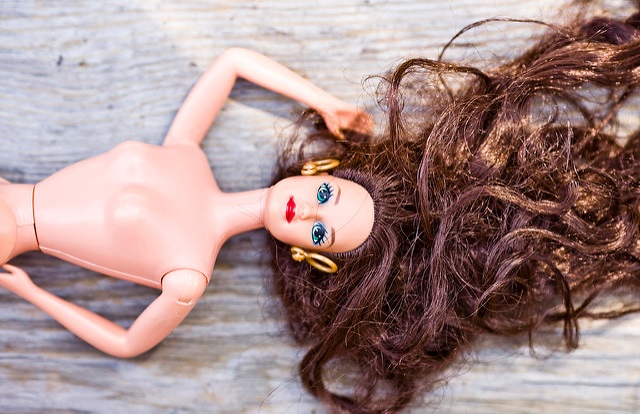
Creative Commons image by Thomas Hawk

Creative Commons image by Thomas Hawk

Right…

Where I live cheap Barbie knock-offs are the most common gift given to children, after candy with artificial coloring. My daughter was given one by the organizers of a nature walk we joined. She has been given these horrid bits of soft, easily breakable, toxic plastic with extreme body-image issues, by relatives and visitors to our home on a regular basis. 

And of course, her friends have real Barbies, which are slightly less likely to fill the house with carcinogenic clutter, but are no better for girls to play with. And that’s usually all they play with. 

Why do I have such an issue with Barbies? You might ask. My daughter is incredibly slim with a perfect figure. She’s not one of the girls in most danger of poor-body-image problems. She’s the type others will envy after all. 

My issue is only partly to do with ridiculously long, skinny legs and waists that look like a pulled taffy. Those are problematic. But the feet permanently bent into the shape of shoes that are harmful to kids’ feet and require women to tiptoe through the world are worse. The focus on clothes, clothes, clothes, shoes, shoes, shoes, makeup, makeup, makeup, hair, hair, hair is simply nauseating. Girls should have other interests as well. 

I know the company has made some Barbie firefighter outfits and other less impractical garb, but these outfits are invariably extra baggy and ridiculous looking. Face it. Anything that actually fits on that doll well wouldn't allow for much freedom of movement in real life. Little girls don’t actually use the firefighter outfits and the focus remains on clothing that obviously allows for no activities beyond primping and attracting sexual interest.

That’s my problem. I have given in to everything being pink. What I can’t abide is the fact that the girl’s section of any toy store is entirely focused on appearance and primping, as if that is the only thing girls can be interested in. Some girls resist it. But my daughter doesn’t. She has a natural knack for these things and I want her to have fun learning to do her hair and dress up. Who doesn’t? It’s fun. 

Creative Commons image by Fortune Cookie of Flickr.com

Creative Commons image by Fortune Cookie of Flickr.com

But I also want her to sometimes do other things. 

On top of toy stores, there are the girl-oriented TV shows. Disney has done a relatively good job with some of their princess movies, despite the close resemblance between Disney princesses and Barbie dolls. At least some of them do things other than primp and they usually use fairly normal voices. 

But these are never the videos my daughter and her friends want to watch most. I made the terrible mistake of buying a Lego Friends DVD to take overseas with us because it claimed to support “diversity” and “friendship.”  The videos make me nauseous. The “friendship” promoted is only that within one’s own little clique and is not open to others. The girls in the video are constantly focused on primping and will often dash back home in the middle of an “adventure” to change clothes or make sure they look dazzling. This is all spelled out in detail and presents such an unhealthy message that as far from English-language videos as we are, I’ve had to disappear it.

The worst part of the video and many others I’ve seen are the little vocalizations that the girl characters emit. There are constant “Ooo!” and “Eeeeh!” noises as if someone is making fun of the women of the 1950s. Except that this is done in all seriousness and presented as girls being pretty and attractive. My daughter now imitates these noises for hours on end.  

Smrak: the techno-social malaise that makes rational living next to impossible

We know what is healthy and responsible. Why then is everything in our society engineered to undermine our attempts to live a healthy life?

I’m fed up with conflicting messages. 

“Everyone should exercise at least one hour every day; get eight hours of sleep; spend at least four hours with their children doing homework, having family meals and authentically connecting; you have to work and commute at least ten hours to have any chance at a successful career; and cook homemade food, for heaven’s sake, unless you want to doom your children to early death by cancer.” Sociologists and scientists give dire warnings of the consequences of a slip in any of those departments. 

Creative Commons image by Riley of Flickr.com

Creative Commons image by Riley of Flickr.com

Then they add, “And it is essential that you make time to take care of yourself because otherwise you will be ineffective at all other tasks.”

Now wait just a blessed minute! 

You already used up every single hour in every single day with the first sentence. There are no more hours left for taking care of yourself--let alone taking care of an older relative, cleaning, keeping up social relationships, paying taxes or bills or even shopping for food (unless you count that as “time with the kids,” which we all know is hypocrisy.)

And those are just the bare basics. What about sending holiday cards? Are you nuts?
It isn’t just about time. But that’s often the crux when the issue is the adult lifestyle. You should exercise. REALLY! It’s essential. And if you want any chance at success in that competitive career, you had better devote more time to it. 

Got kids? Tough. If you can’t keep up a high-powered career because you insist on a bit of time for exercise or family, you’re making minimum wage. Your kids are eligible for the free lunch program! 

And it’s full of carcinogens. 

"Shame on you for being a leach on society!"

It’s hard enough to live a healthy and responsible lifestyle in this day and age. Exercise, healthy eating, meaningful work, being kind to others, pitching in for your community, doing your duty in recycling and responsible shopping, taking care of yourself… These things are often contradictory. 

Creative Commons image by Abigail G of Flickr.com

Creative Commons image by Abigail G of Flickr.com

Add being a parent to that and the struggle becomes a war. It’s like Mama against the world—TV, video games, preservative-infused packaged food, the latest fashions, advertising… You name it, it’s lined up to produce parent-child battles and undermine your efforts for basic health and sanity. 

I’m going to coin a term here—smrak.

It’s like smog, except of the techno-social variety. The word “smrak” comes from two Czech words—”smrad” meaning stench and “mrak” meaning cloud. That’s how the technological and social environment feels to a parent trying to bring up kids with health and conscience. It's all the contradictory messages about what you must do and it's the plethora of obstacles put in your path--largely by other humans or by machines made by humans.

I’m going to devote a couple of posts to the different aspects of smrak--not to depress you, but rather to acknowledge what we’re all dealing with. 

The basic elements of srmak for parents are:

Smrak 1: Screen addiction and its pushers
Smrak 2: Junk food and people who give it to my kids
Smrak 3: Gender specific toys and media that promote either ditsy or violent
Smrak 4: The disconnect from nature
Smrak 5: A generation living in bubbles of bland sameness

(I’ll add links as the posts are done, so you click on them once they’re highlighted. You can also give suggestions for other aspects of smrak in the comments.)

When fellow parents are struggling to live in a healthy and responsible way, let’s support one another without so much judgment. None of us is perfect and we can do much better if we know we’re all battling smrak of one kind or another.

Raising international boys: Peace soldiers not afraid to cry or care

He loves toy soldiers. He likes the swift, bracing feeling of their uniforms. He respects the steadfast pace of their tank tracks. He enjoys the tantalizing idea of their weapons.

He stands in bittersweet sorrow at the side of the road where a shrine marks the remembrance of a family for a soldier dead these seventy years--fled from an occupied homeland and lost on the eastern front. He vows that he will smite all those who harm children and invade small countries. 

Five years old and he asks me to remember to bring rubber gloves, so we can pick up litter on the way home from school. 

On the weekend we go to the grandparents and sit around the table in the kitchen where Nazi soldiers once stole the milk and left our grandfather hungry as a little boy. 

"Don't push me!" my little son sobs when his sister jabs an elbow into his middle while they wait for Grandma's soup. He clobbers her on the head with his spoon.

"Boys don't cry!" Grandpa bellows. 

The little boy stares at him with wide shocked eyes. It is possible--though unlikely--that this is actually the first time he has heard that old adage.

At our house, boys do cry and jabbing and hitting are the more serious offenses. Gritting my teeth, I handle the situation diplomatically. 

After dinner Grandma hands out gifts to the children, since we weren't here during the holidays--earrings for the girl, a nerf pistol for the boy. They are both very happy. Who am I to complain?

And yet I know that in this adopted country where we live (the Czech Republic) the chance that one's son will become a soldier and go off into a terrible war--where he may be killed or lose his sense of humanity--is minuscule. They don't understand that for American boys in families without wealth the stats are far different. He will not always be a boy here. He is a US citizen because of me and someday he will be a young man and a target for recruiters. 

I have two new teenage ESL students. More boys. They bring in an article from their English study magazine. It's about world peace. I ask open ended questions to get them using English grammar. Do you want peace? Yes. Do you think we should have a military? Well, only a very small one. If we have a small military, who will tackle an evil force such as Hitler when it comes again? The UN.

Sunglasses are cool.jpg

I do understand their perspective, but one of them is headed to the US as an exchange student in a few months. I have a talk with him about it, explaining about how Americans who study only American history see these things differently, how such well-reasoned statements can be considered highly controversial. 

Later my five-year-old is still playing with his tank and toy soldiers. He loves the sound effects of war. But when we write down wishes for the next year to put into our special wish jar, he says, "I wish all soldiers would be careful not to hurt anyone." 

And when scolded, even gently he cries. And that is okay because boys will be boys. A hug will fix it.

How do I explain the world of violence to small children? Or do they know already? Sometimes they ask the most discerning questions. I could swear they know the score all too well.

"Mama, why do presidents get to make wars?"